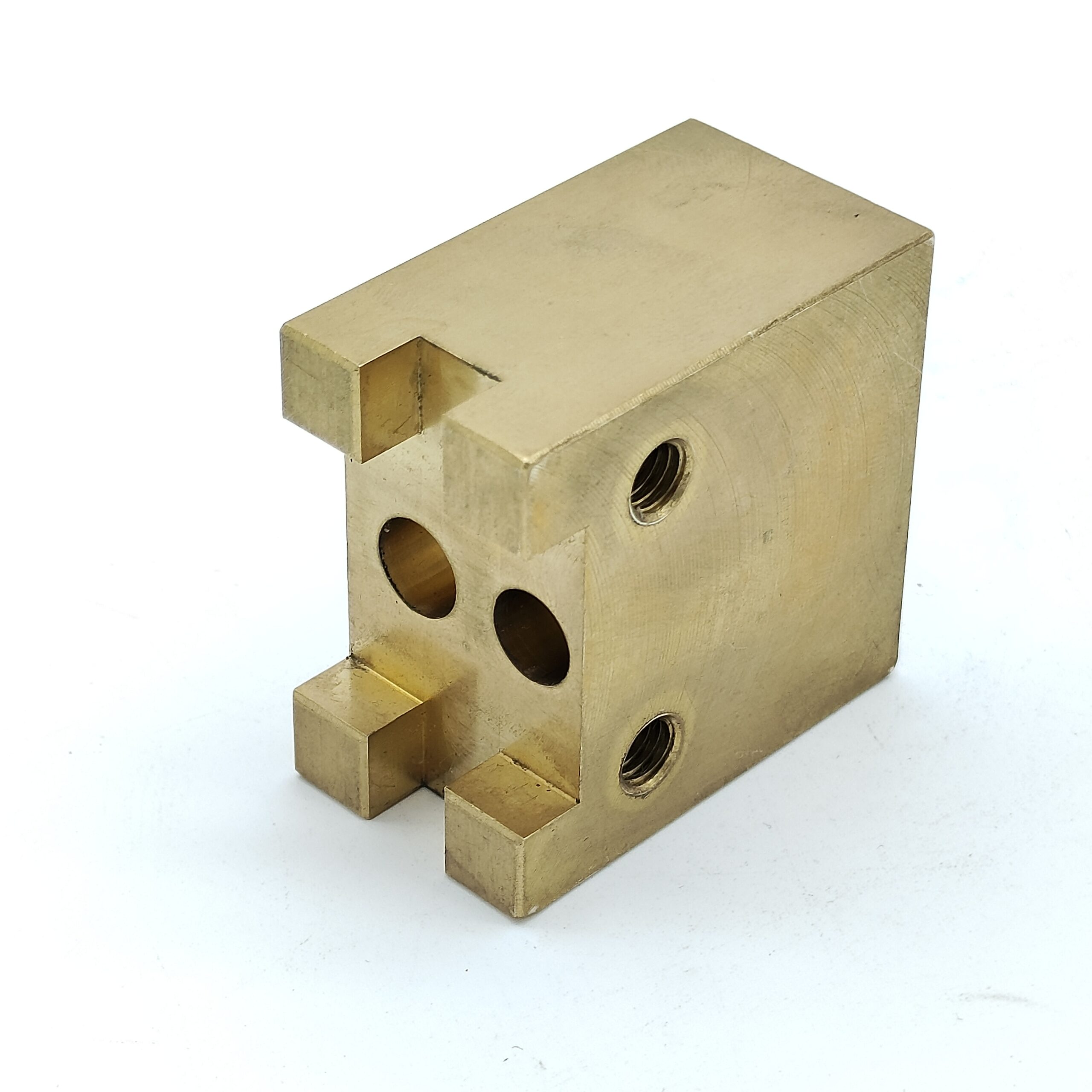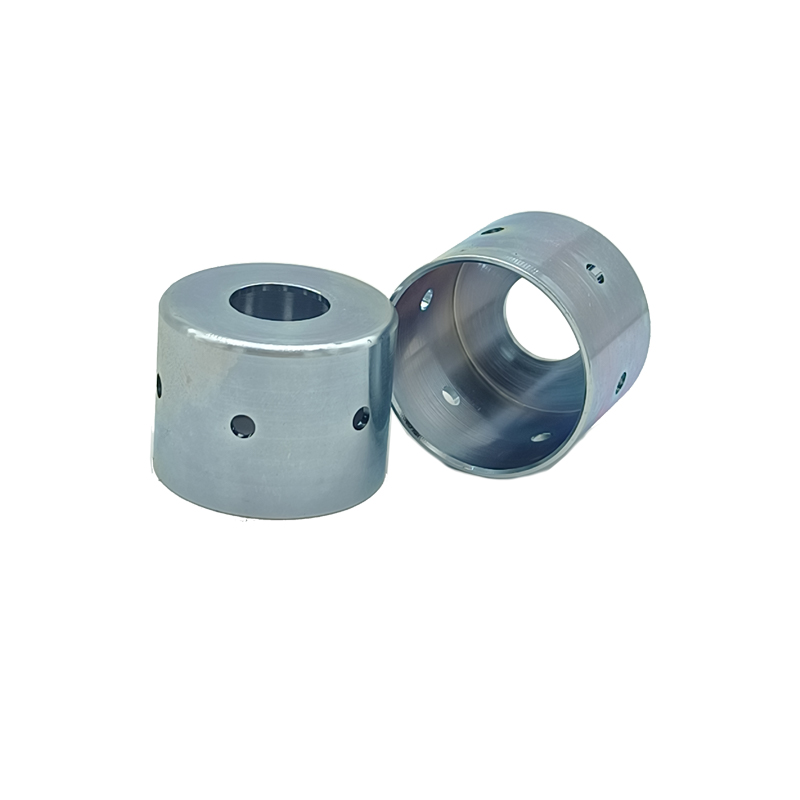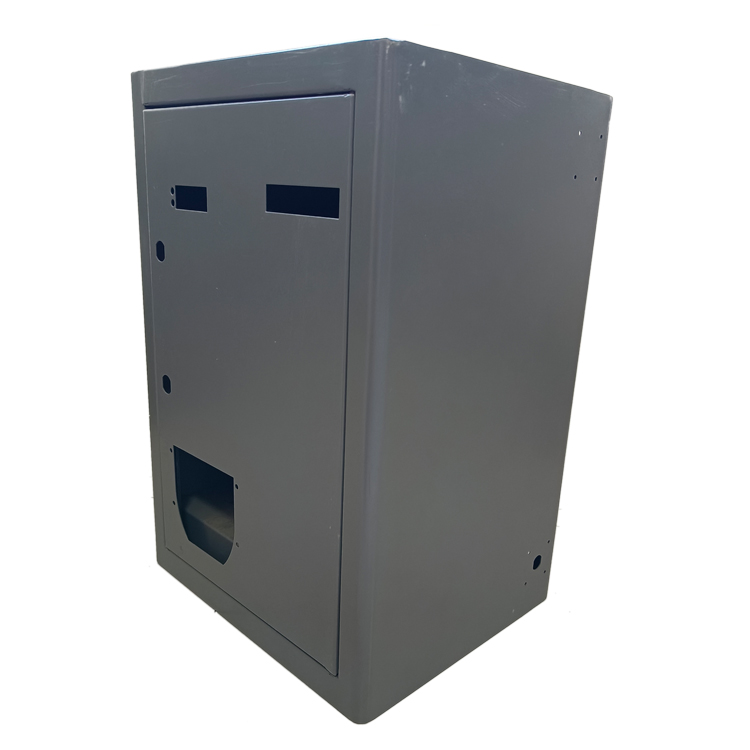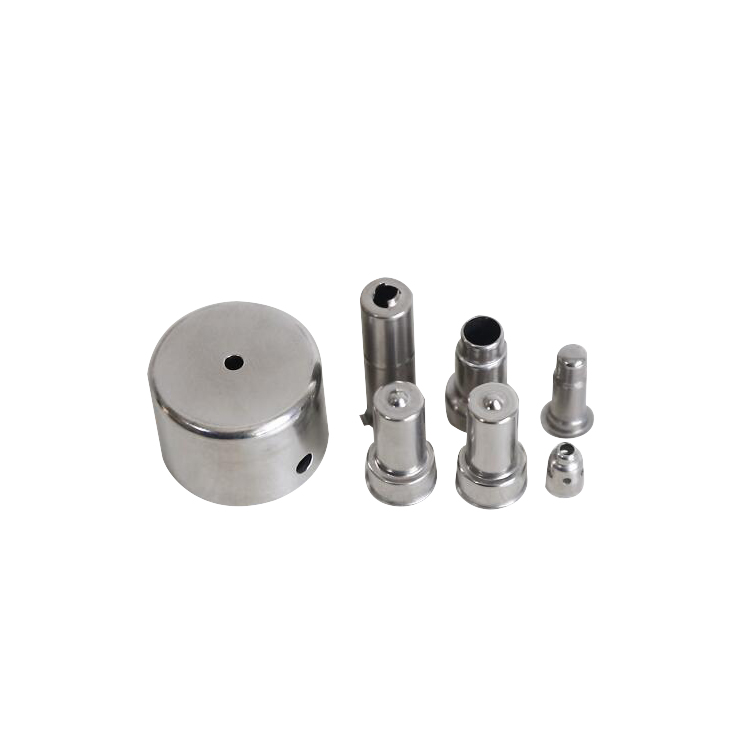
Custom Process for Non-Standard Metal Parts
Non-standard metal parts are custom-made components designed and manufactured according to specific customer requirements. The customization process typically involves several key steps, from requirement analysis to final delivery.
1. Requirement Communication and Confirmation
Customers provide detailed requirements, including:
- Product application
- Dimensions and specifications
- Material requirements
- Surface finishing
- Working environment
Engineers evaluate feasibility and provide initial recommendations.
2. Drawing Design and Optimization
- Customers provide 2D/3D drawings (such as CAD or STEP files), or the manufacturer assists with design
- Engineers optimize structure, dimensions, and tolerances
- Ensure the design is suitable for manufacturing (DFM: Design for Manufacturability)
3. Material Selection
Materials are selected based on performance requirements, such as:
- Aluminum, stainless steel, carbon steel
- Copper, titanium alloys
- Engineering plastics
Factors like strength, corrosion resistance, cost, and machinability are considered.
4. Process Evaluation and Quotation
Based on drawings and materials, suitable manufacturing processes are determined, including:
- CNC machining
- Turning and milling
- Stamping and laser cutting
Processing time, cost, and lead time are evaluated, followed by a quotation.
5. Prototyping (Sample Production)
- Produce samples in small quantities
- Verify dimensional accuracy and functionality
- Customer reviews and confirms the sample
Adjustments and optimizations are made if necessary.
6. Mass Production
After sample approval, mass production begins:
- Production planning
- In-process quality control (IPQC)
- Ensuring consistency and stability
7. Surface Finishing
Surface treatments are applied as required, such as:
- Anodizing
- Electroplating
- Sandblasting and painting
- Polishing
These processes improve appearance and corrosion resistance.
8. Quality Inspection
- Dimensional inspection (e.g., calipers, CMM)
- Visual inspection
- Functional testing
Ensures products meet drawing specifications and quality standards.
9. Packaging and Delivery
- Custom packaging to prevent damage during transportation
- Shipping methods (sea freight, air freight, etc.)
- Inspection reports provided if required
10. After-Sales Service
- Technical support
- Quality issue handling and feedback
- Continuous improvement and long-term cooperation