Definition of Drawing Process
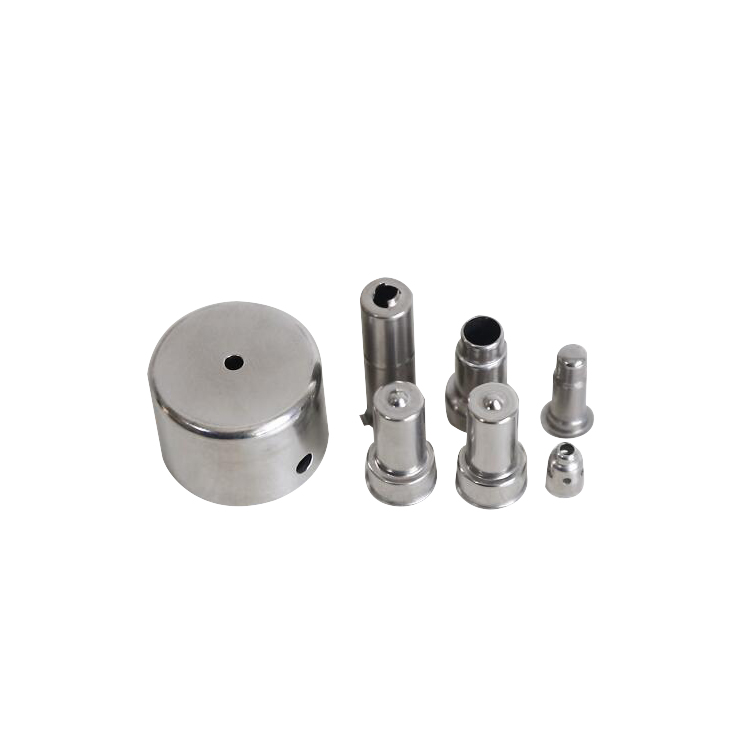
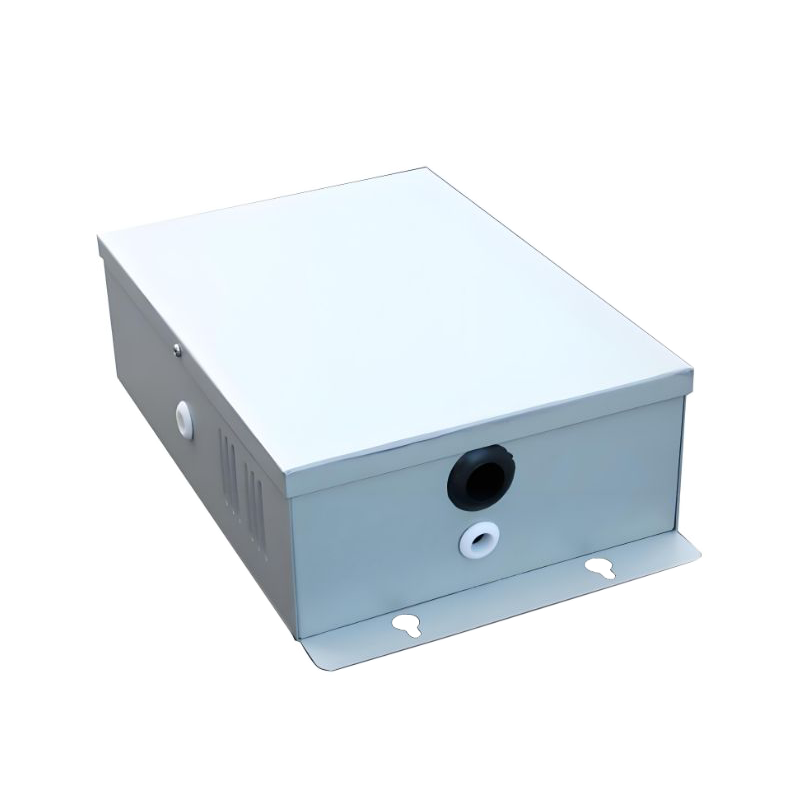
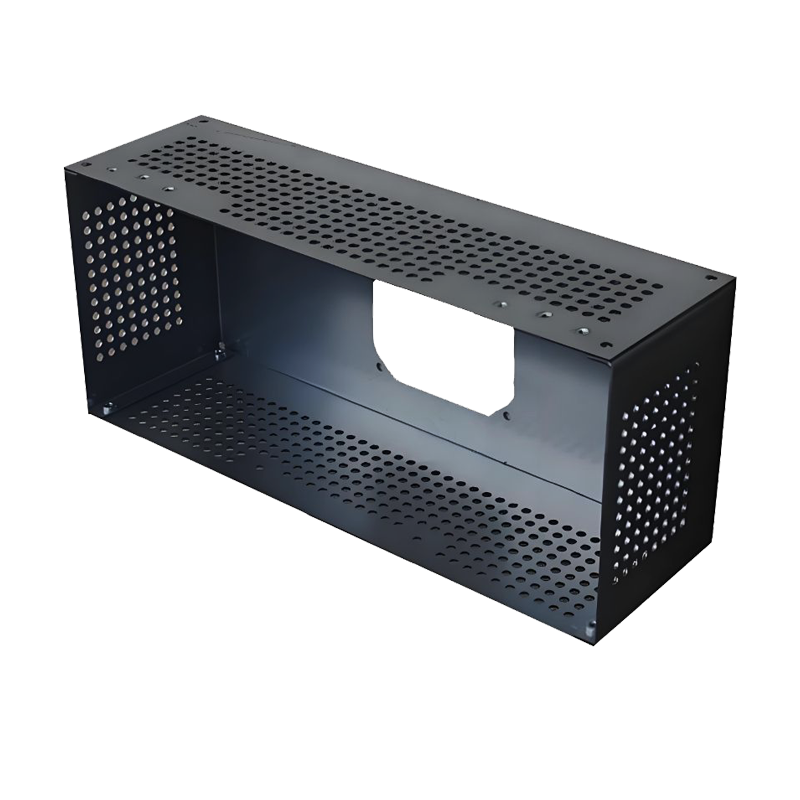
Drawing (also known as deep drawing or long drawing) is a plastic forming process. Its core is to use a die and external force to draw a flat/hollow blank into an open hollow part.
I. Sheet Metal Drawing (Most Common, Within Stamping Category)
Definition: Under the action of a press, a punch presses a flat metal blank into a die, causing the material to flow plastically, forming open hollow parts such as cups, cylinders, boxes, and cans.
Core Principle: The material flows radially from the edge of the blank towards the center, with tangential contraction at the edges, maintaining overall volume while slightly reducing wall thickness.
Typical Applications: Aluminum cans, stainless steel basins, automotive body panels, mobile phone frames, hardware casings.
II. Wire/Bar/Tube Drawing
Definition: A solid/hollow blank is forcibly drawn through a die hole smaller than its cross-section, reducing the cross-section and increasing the length to obtain high-precision wires, bars, and tubes.
Core Principle: Axial tension dominates; the material extends along its length, with uniform cross-sectional contraction.
Typical Applications: Steel wire, copper wire, seamless steel pipes, precision shafts.
III. Polymer Material Stretching
Definition: Applying external force to plastics, fibers, and films above their glass transition temperature causes the polymer chains to align along the direction of force, improving strength, toughness, and optical properties.
Classification:
Uniaxial Stretching: Fibers, monofilaments (improves axial strength).
Biaxial Stretching: BOPP film, PET preforms (planar isotropic, high strength).
IV. Core Characteristics
High efficiency, high precision, good surface quality, suitable for mass production.
Metal stretching requires control of the stretch coefficient, blank holder force, die radius, and lubrication to avoid tearing and wrinkling.