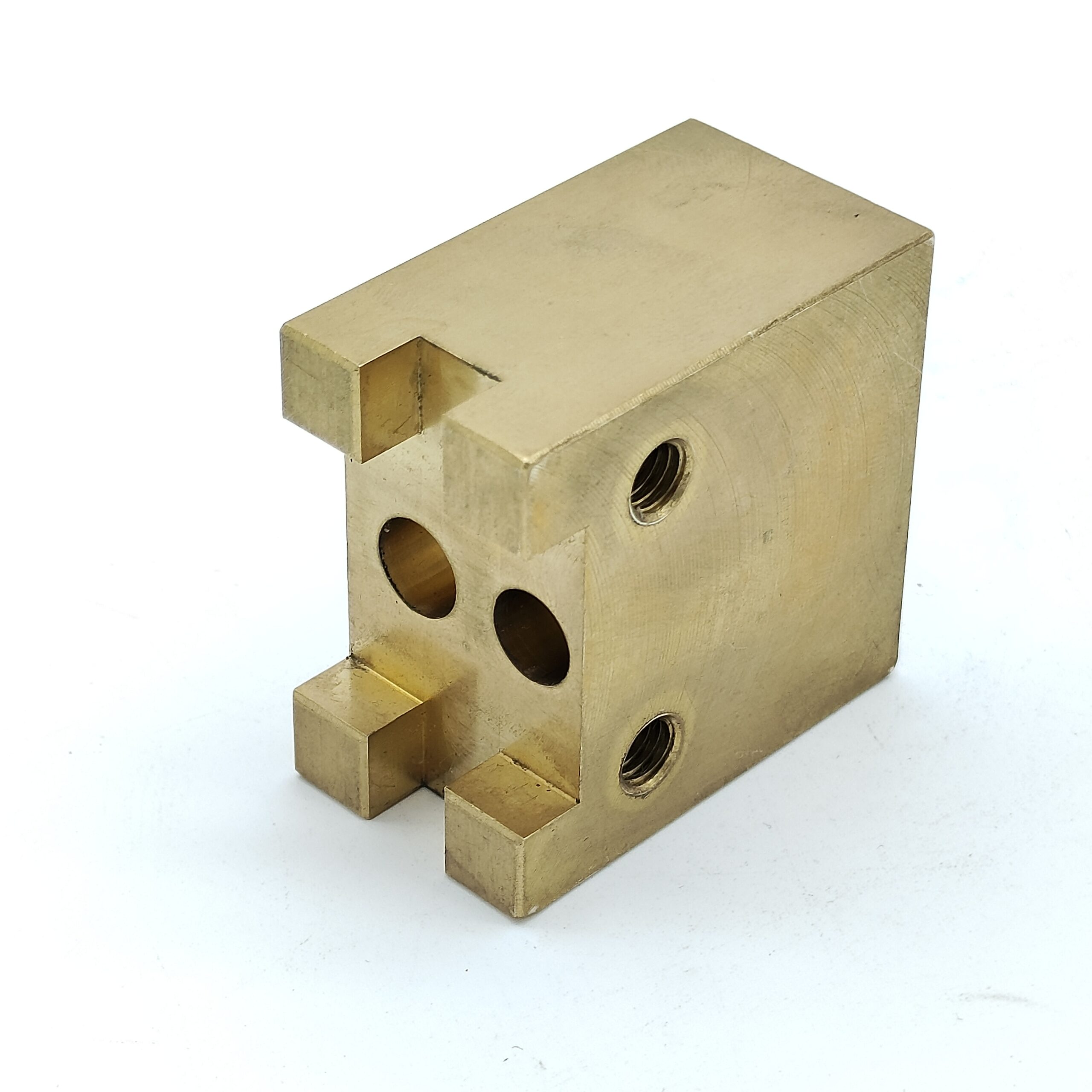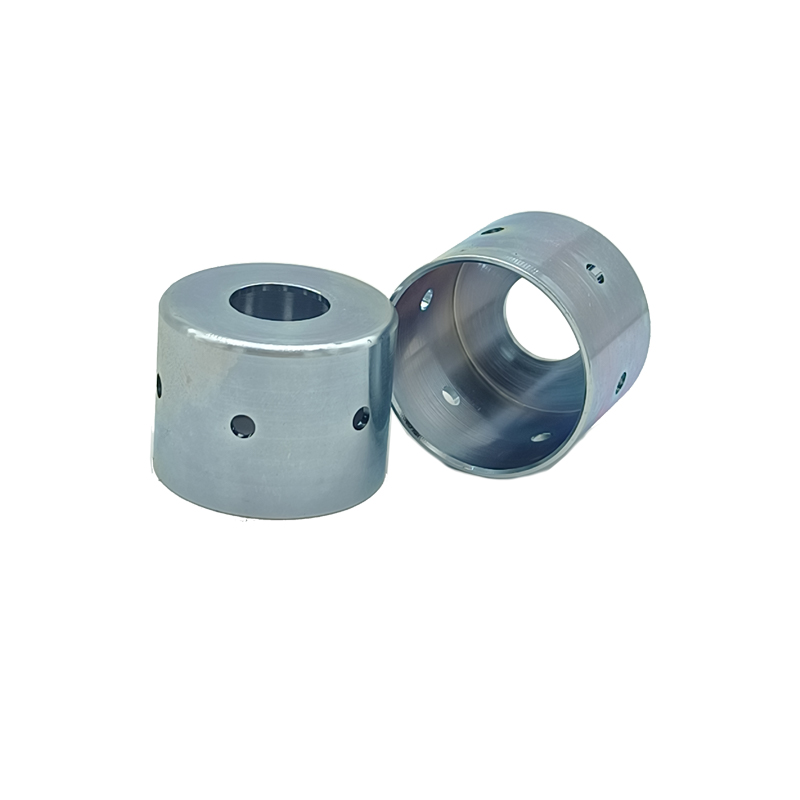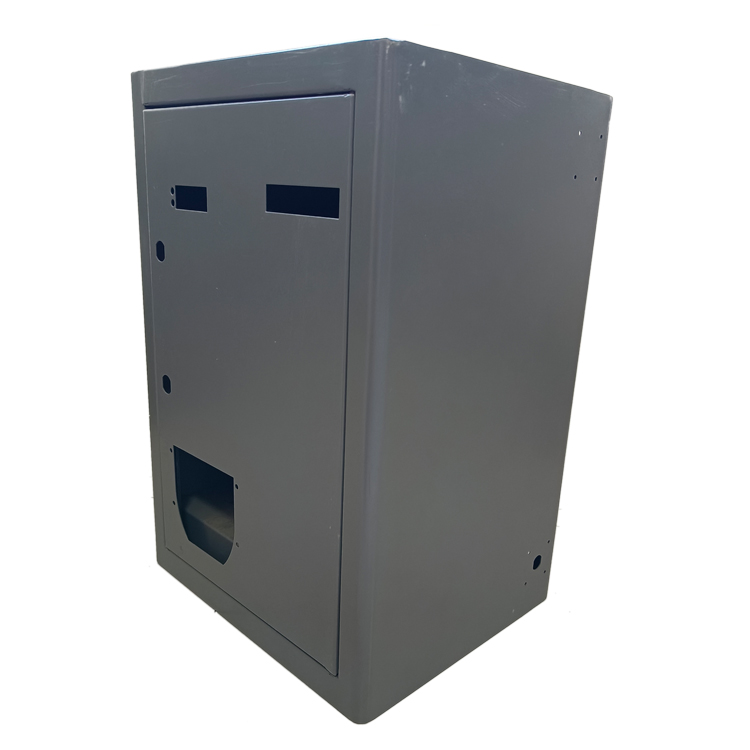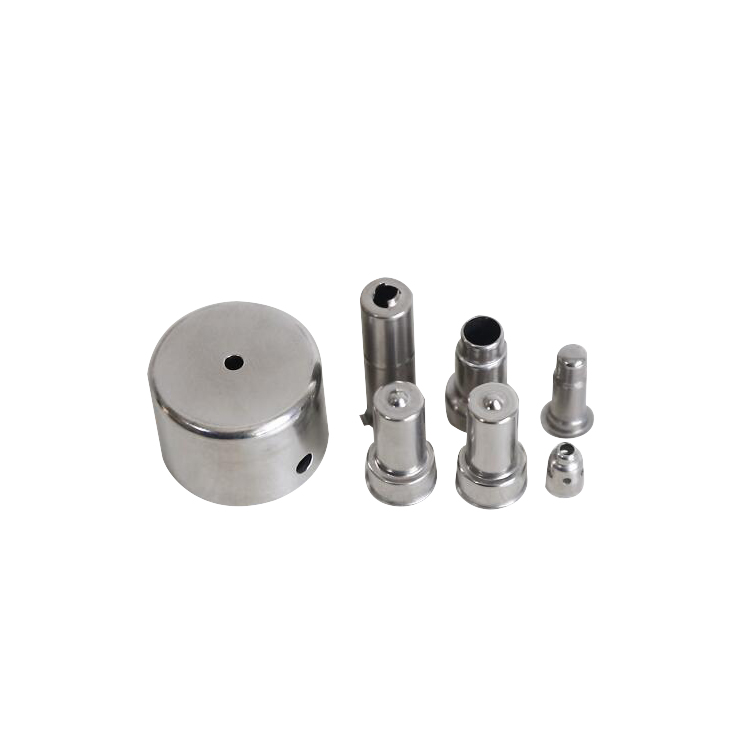
CNC Custom Parts Machining Process
CNC custom parts machining is a step-by-step process from requirement confirmation to finished product delivery.
1. Requirement Confirmation (Most Critical Step)
This step determines the success of the entire project.
Information typically provided by the customer:
Technical drawings (2D / 3D formats such as PDF, STEP, IGES)
Material requirements (aluminum, stainless steel, carbon steel, copper, plastics, etc.)
Quantity (prototype, small batch, or mass production)
Tolerance requirements (e.g. ±0.01 mm)
Surface treatment requirements (anodizing, electroplating, sandblasting, etc.)
Application or usage environment (helps optimize the machining process)
If complete drawings are not available, many manufacturers can also offer:
Machining based on samples
Design optimization and manufacturability suggestions (DFM)
2. Process Evaluation and Quotation
Engineers will carry out the following evaluations:
Analyze part structure (deep cavities, thin walls, undercuts, etc.)
Determine machining methods:
CNC turning
CNC milling (3-axis / 4-axis / 5-axis)
Turn-mill combination
Evaluate machining difficulty and potential risks
Estimate machining time and provide quotation and lead time
At this stage, decisions are made regarding:
Machine tool selection
Number of machining operations
Cost optimization possibilities
3. Programming and Tooling Preparation
This is the preparation stage before actual machining.
CAM programming (e.g. UG/NX, Mastercam, PowerMill)
Cutting tool selection (end mills, ball mills, drills, reamers, etc.)
Fixture and jig design to ensure positioning accuracy
First-article machining plan confirmation
4. CNC Machining (Core Stage)
The typical machining process includes:
Rough Machining
Rapid material removal
Leave allowance for finishing
Semi-Finish Machining
Improve dimensional accuracy
Reduce deformation
Finish Machining
Achieve final dimensions and surface quality
Secondary Operations (if required)
Tapping, chamfering, drilling, slot milling
Experienced machinists will adjust in real time:
Spindle speed and feed rate
Tool compensation
Cooling methods
5. Surface Treatment (As Required)
Common surface treatments include:
Anodizing (natural, black, or colored)
Sandblasting + anodizing
Electroplating (nickel plating, chrome plating)
Black oxide
Polishing or brushing
Heat treatment (quenching, tempering)
Dimensional changes before and after surface treatment must be considered in advance.
6. Quality Inspection
This step determines whether the parts can be delivered.
Common inspection tools:
Vernier calipers / micrometers
Height gauges
Coordinate Measuring Machines (CMM)
Thread gauges / go–no-go gauges
Inspection items:
Dimensional tolerances
Geometric tolerances
Appearance quality
Assembly compatibility
7. Packaging and Delivery
Protective packaging against scratches, rust, and impact
Part number and batch identification
Shipment according to customer requirements
Simplified Process Overview
Requirement Confirmation → Process Evaluation & Quotation → Programming & Material Preparation → CNC Machining → Surface Treatment → Quality Inspection → Packaging & Delivery