Materials that can be processed by laser cutting
Laser cutting, with its advantages of high energy density and high precision, can process both metallic and non-metallic materials.
I. Metallic Materials
Covering mainstream materials for sheet metal, stamping, and CNC machining, suitable for laser cutting (primarily fiber laser cutting machines, commonly used in your factory), producing burr-free, smooth cuts, suitable for custom non-standard parts:
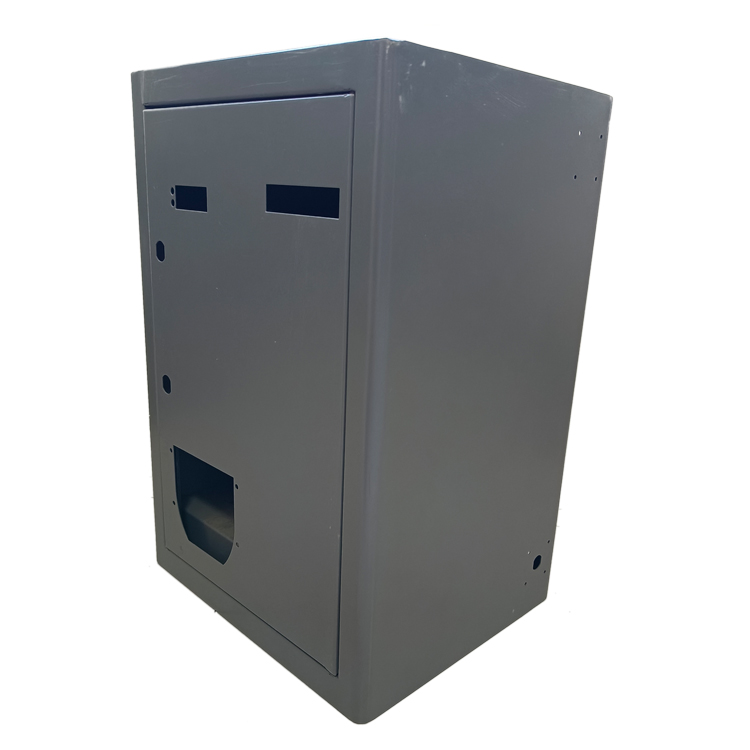
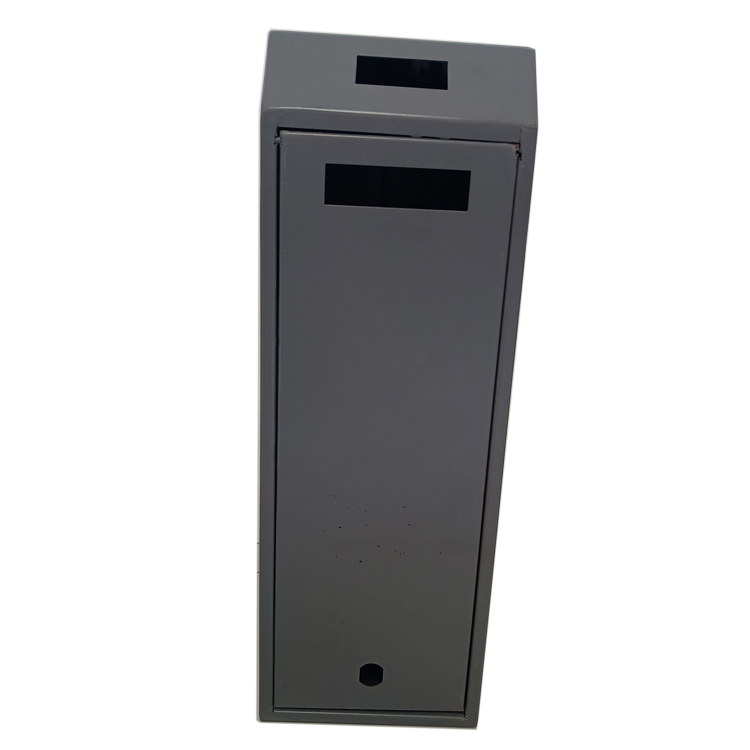
* Carbon steel (Q235, Q355, etc.): Most commonly used, thickness 0.5-20mm can be processed, suitable for equipment housings, hardware brackets, and non-standard structural parts, one of the core materials for your factory’s sheet metal processing.
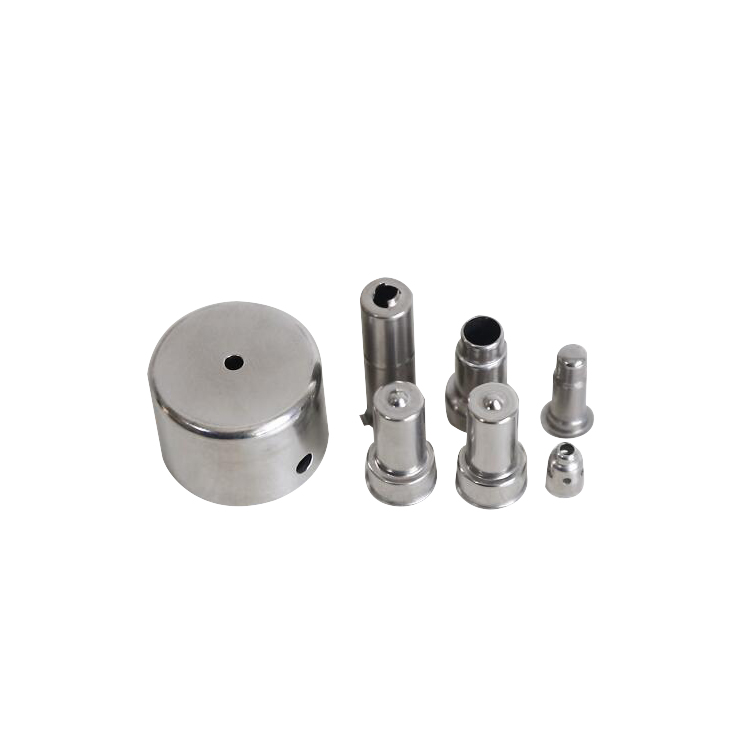
* Stainless steel (304, 316, 201, etc.): Suitable for high-precision requirements, thickness 0.3-15mm, corrosion-resistant, good texture, used for medical device accessories, food machinery, and high-end equipment housings (high-frequency demand for export orders). Aluminum alloys (6061, 5052, etc.): Lightweight and easy to cut, thickness 0.5-12mm, suitable for aerospace parts, new energy equipment brackets, and precision non-standard parts (Note: Laser parameters need to be adjusted to avoid oxidation of the cut).
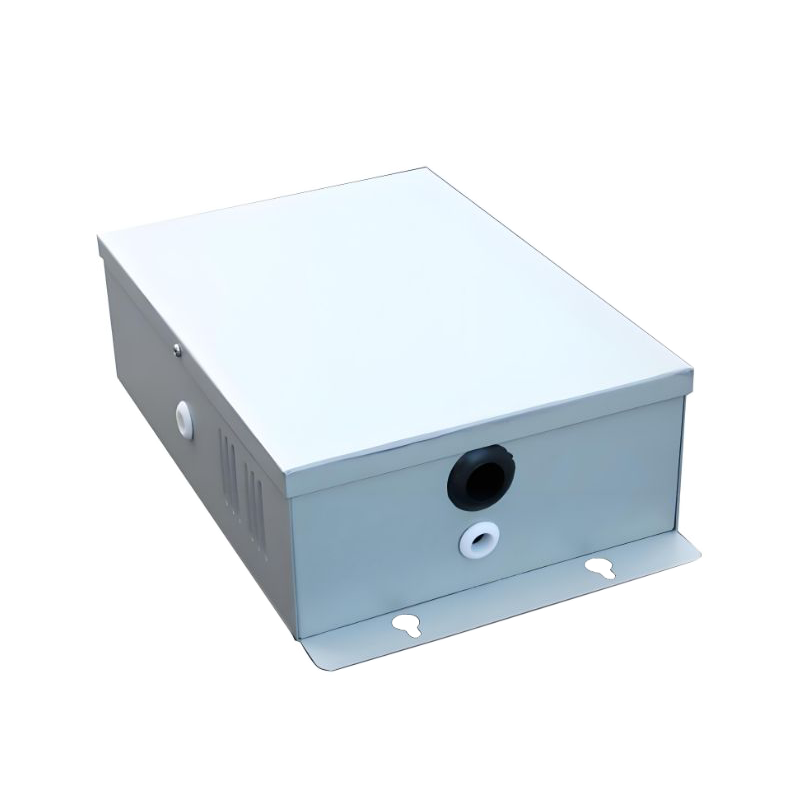
Galvanized/aluminized sheet: Surface has a coating; laser cutting prevents coating peeling, thickness 0.3-10mm, used for appliance housings, outdoor hardware, and automotive parts (high-frequency category for export customization).
Copper/Brass: Good conductivity, thickness 0.2-8mm, suitable for precision electrical components and small non-standard hardware parts (requires high-power laser to avoid heat deformation; suitable for high-end customized orders).
Other metals: Titanium alloys (high-precision medical and aerospace parts), nickel alloys (high-temperature resistant non-standard parts). Although processing volume is small, they can be used as a selling point for factories’ “high-precision customization,” enhancing product competitiveness on international platforms.
Non-metallic Materials: For clients with cross-industry customization needs, processing of these materials can be expanded (using CO₂ laser cutting machines), enriching the factory’s business scope and catering to niche export orders:
Plastics: Acrylic (plexiglass), ABS, PP, PVC, suitable for non-standard decorative parts, equipment protective covers, and small accessory shells.
Sheet Materials: Wood, plywood, MDF (suitable for furniture hardware and non-standard decorative parts), paperboard (packaging accessories).
Others: Leather, fabric (niche hardware + fabric customization), ceramics (precision small parts, requiring specialized laser equipment).