Custom Metal Stamping Services – From Design to Mass Production
What Is Custom Metal Stamping?
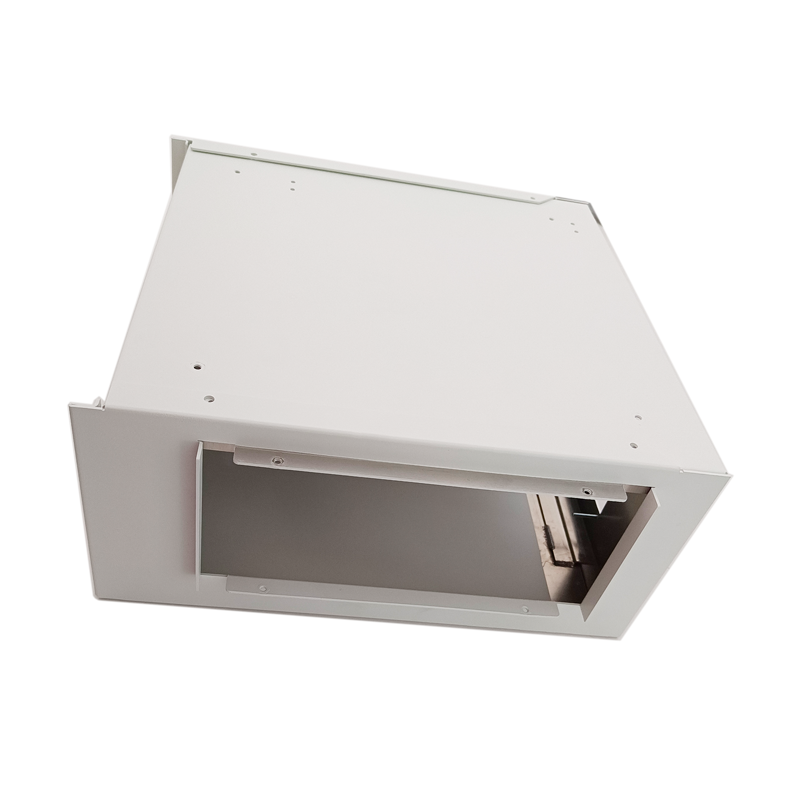
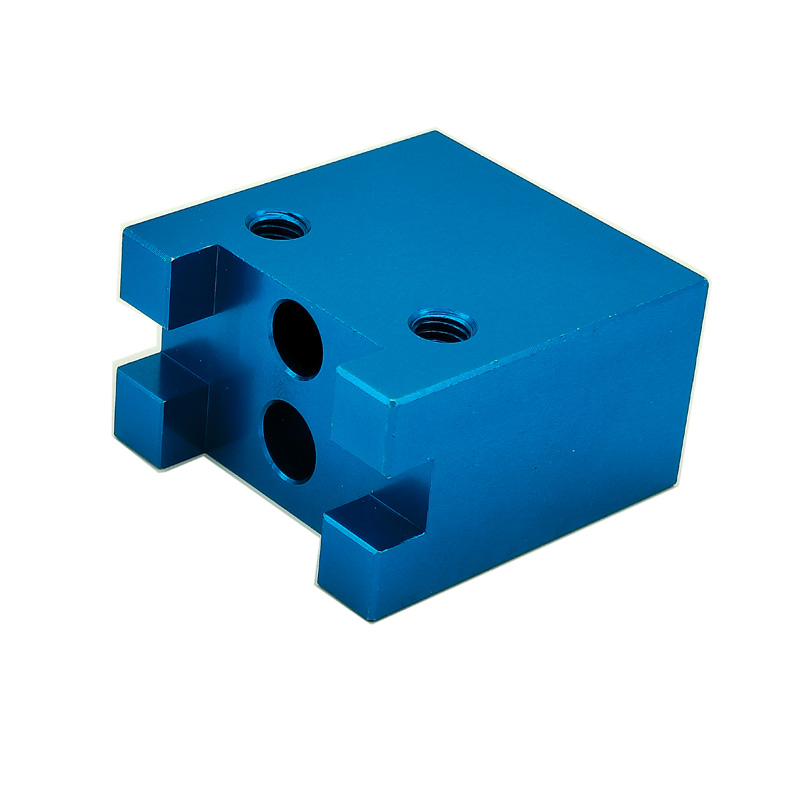
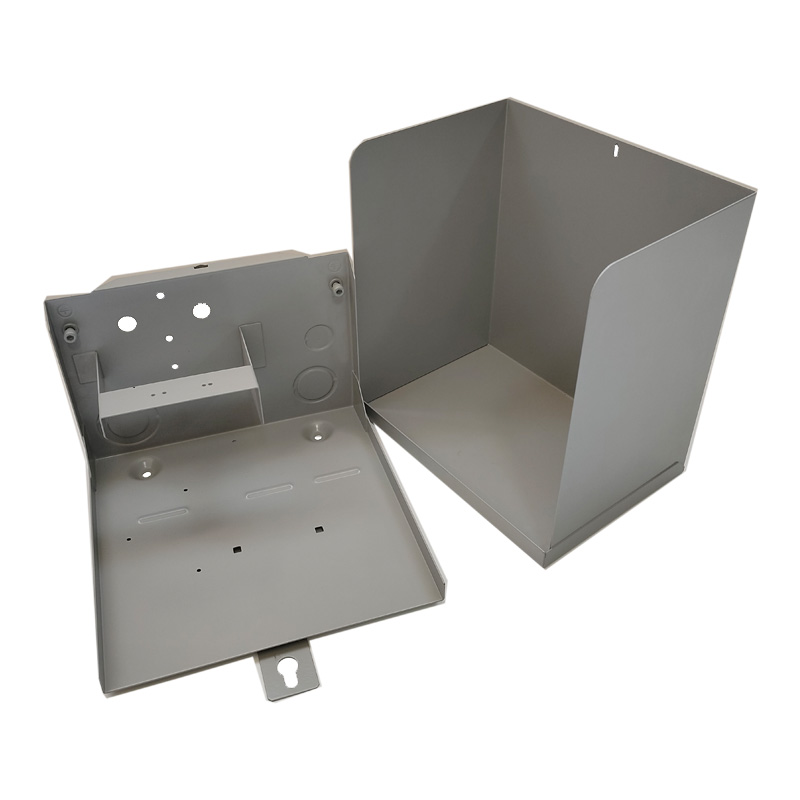
Custom metal stamping is a manufacturing process that turns customer drawings, samples, or application requirements into precision metal parts through processes such as blanking, punching, bending, drawing, and more. It’s not just “processing by drawing” – it’s a complete engineering-to-production solution.
👉 Core keywords: custom design + process optimization + tooling development + high-volume production
Complete Custom Stamping Process (What Customers Care About Most)
1️⃣ Needs Analysis & Technical Review
2D/3D drawing or sample analysis
Material selection (stainless steel, carbon steel, aluminum, copper, etc.)
Tolerance and functional requirement confirmation
👉 Determines: Feasibility + rough cost range
2️⃣ Process Design & DFM Optimization
Strip layout for material utilization
Bending radius and springback compensation
Hole placement and structural strength optimization
👉 Goal: Reduce cost + improve yield + avoid downstream issues
3️⃣ Tooling Development – Core Competitiveness
Single-station / progressive / compound dies
Tool steel and lifespan design
Micron-level precision control
👉 Tooling quality directly determines: Product stability & batch-to-batch consistency
4️⃣ Prototyping & Validation
First Article Inspection (FAI)
Dimensional inspection (CMM / optical comparator)
Assembly testing
👉 Mass production only starts after customer approval
5️⃣ High-Volume Production
High-speed press operation (up to several hundred strokes per minute)
Automatic feeding and stacking
Statistical Process Control (SPC) during production
6️⃣ Surface Finishing & Secondary Operations
Plating (zinc, nickel, etc.)
Painting / anodizing
Tapping, riveting, welding
Industries We Serve
Metal stamping parts are used across almost every industrial sector:
🚗 Automotive – Brackets, structural parts, connectors
⚡ Electronics – Terminals, shielding cans
🏠 Home Appliances – Housings, internal structural components
🔋 Motors & Generators – Laminations (rotor and stator)
4 Key Factors Customers Care Most About
These matter more than just listing machine specs:
Process Capability – Not machine count, but ability to handle complex geometries and tight tolerances
Tooling Expertise – In-house die design and optimization team
Batch-to-Batch Consistency – Quality systems in place (e.g., PPAP, SPC)
Cost Control – Ability to reduce cost via strip layout and process improvements
Why Choose a True Custom Stamping Partner?
| Aspect | Basic “Print-to-Part” Shop | True Custom Stamping Partner |
|---|---|---|
| Engagement timing | After drawing is ready | During design phase (DFM) |
| Tooling | Outsourced or minimal | In-house die design & maintenance |
| Quality control | Inspection-based | Process-designed prevention |
| Cost reduction | Follows drawing | Proposes better alternatives |
| Low-volume support | Expensive or not available | Soft tools / low-cost prototypes |
Frequently Asked Questions (FAQ)
Q: How long does tooling take? Prototyping?
A: Soft tooling: 7–15 days. Hard tooling (production-grade): 20–35 days, depending on complexity.
Q: Who pays for the tooling? Can it be refunded?
A: Typically customer-paid. Refundable or amortized after reaching agreed production volume.
Q: Is there a minimum order quantity (MOQ)?
A: Yes, but we can go as low as a few hundred pieces depending on process selection.
Q: Do you supply the raw material?
A: Either customer-supplied or we purchase – our volume often gives better pricing.